
From Manual to Smart Kitchen: How POS Data Helps Optimize Kitchen Workflow
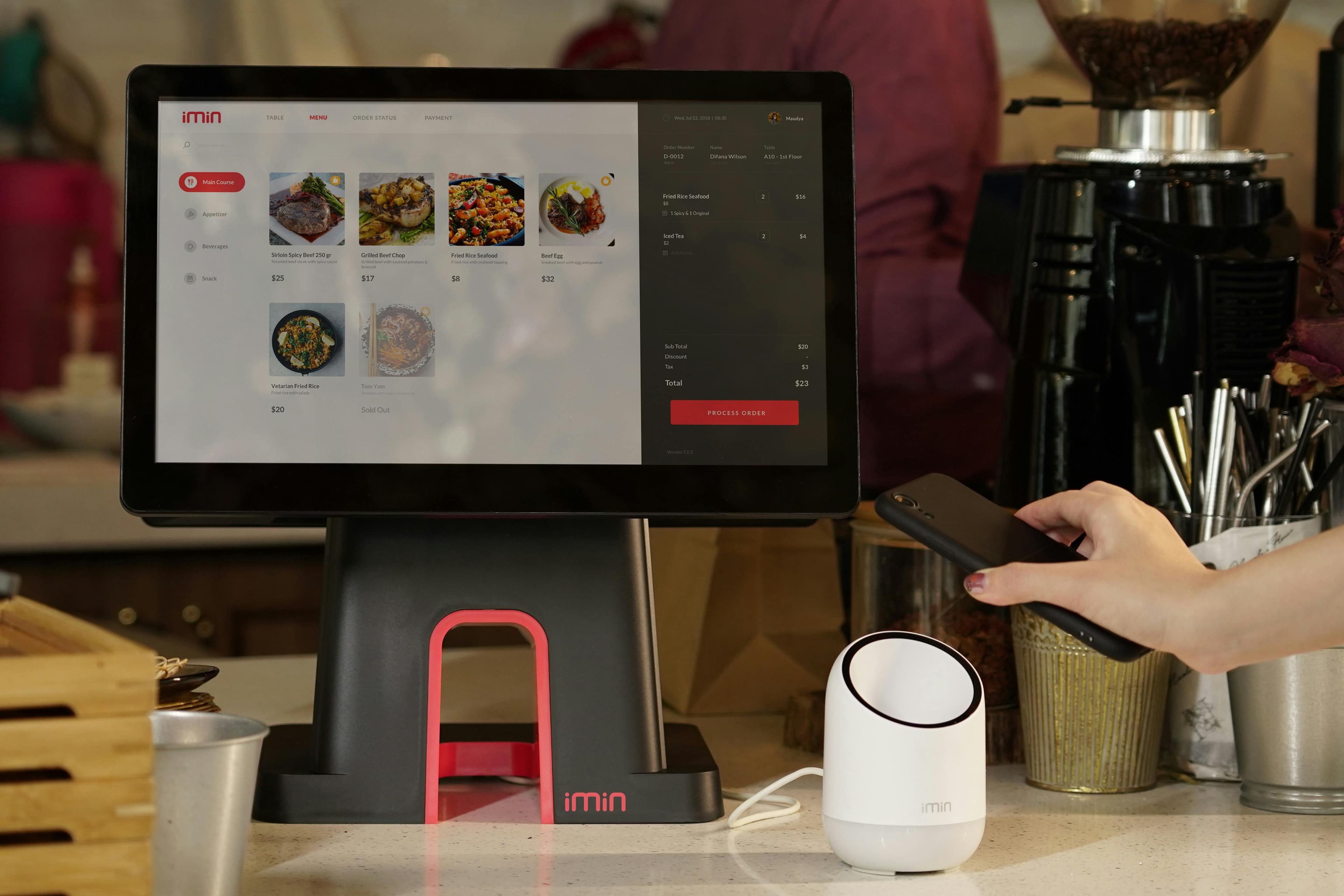
The heart of every restaurant beats inside its kitchen. It’s where creativity meets precision, where speed must coexist with consistency. Yet, even in successful restaurants, chaos often lurks during peak hours—orders piling up, miscommunication between servers and chefs, and dishes taking longer than expected.
In many kitchens, inefficiencies aren’t caused by lack of talent but by lack of visibility. That’s where POS data becomes the secret ingredient for smarter operations.
The Hidden Cost of Manual Kitchen Operations
Before digital systems became standard, kitchen management relied heavily on manual processes—paper tickets, verbal orders, and handwritten checklists. While traditional, these systems often lead to:
- Lost or misplaced orders
- Delays in communication between front and back of house
- Difficulty prioritizing dishes during rush hours
- Inconsistent portioning and preparation times
- Lack of performance tracking for kitchen staff
A single breakdown in communication can ripple through the entire restaurant experience, affecting food quality, customer satisfaction, and profit margins.
How POS Data Brings Order to the Chaos
A modern POS system does more than process payments—it becomes the nervous system of the restaurant, connecting the front of house with the kitchen in real time. By capturing and transmitting every order, adjustment, and timing detail, POS data enables kitchens to move from manual guesswork to intelligent coordination.
1. Real-Time Order Tracking
Instead of paper tickets, digital kitchen display systems (KDS) show live incoming orders, grouped by table or type. Chefs can instantly see which items are urgent and which are queued. Changes from servers—like extra toppings or modifications—update instantly, minimizing errors.
2. Automated Prioritization
POS data allows kitchens to automatically prioritize orders based on prep time and customer waiting status. For example, if two tables order dishes with vastly different cooking durations, the system helps chefs coordinate timing so all plates arrive together.
Looking to Build Your Restaurant Management System?
EatlyPOS is a modern, responsive frontend template built with Next.js that provides a solid foundation for developing a complete restaurant management system. Visit our homepage to explore the interactive demo, check available licenses, and kickstart your development with a professional codebase.
3. Reduced Communication Friction
When servers no longer need to shout orders or run to the kitchen, communication becomes structured and trackable. Notifications appear directly on the KDS screen, reducing noise and confusion. This smoother workflow translates into faster turnaround times and fewer mistakes.
Turning Data Into Kitchen Intelligence
Data collected through your POS isn’t just for reporting—it’s a performance mirror for your kitchen.
- Prep Time Analytics: Understand which dishes consistently take longer than expected. Use this insight to adjust recipes, staffing, or prep workflows.
- Order Volume Patterns: Identify your busiest times and prepare accordingly with batch prep or extra hands.
- Ingredient Utilization: Cross-analyze sales data with inventory to minimize waste and optimize purchasing cycles.
For multi-branch restaurants, aggregated POS data can even reveal how workflow efficiency varies by location, helping management replicate best practices across outlets.
From Reactive to Predictive: The AI-Powered Kitchen
The next evolution of POS data is AI-driven kitchen optimization. With predictive analytics, your system can forecast peak order times, recommend staff allocation, and even suggest pre-prep items based on upcoming demand.
For instance, if AI detects that fried rice sales spike by 40% every Friday evening, it can automatically alert the kitchen to pre-cook ingredients and prepare more stations. Over time, the kitchen shifts from reacting to problems to anticipating needs.
This intelligent foresight not only boosts efficiency but also prevents burnout—a common challenge in busy kitchens.
The Human Element: Empowering, Not Replacing
Technology doesn’t replace the creativity or skill of chefs—it enhances it. With the right POS system, chefs can focus on cooking while technology handles timing, coordination, and reporting. Staff feel less pressure, communication improves, and service flows naturally.
The result? A calmer, more productive kitchen where consistency becomes second nature.
Conclusion: The Kitchen of the Future Is Already Here
The transformation from manual to smart kitchens isn’t about gadgets—it’s about data-driven awareness. Every dish prepared, every second saved, and every ingredient tracked tells a story about efficiency and growth.
With EatlyPOS, restaurants can bridge the gap between culinary art and operational excellence. By turning kitchen chaos into synchronized performance, data becomes your most reliable sous chef.