
Mastering the Omnichannel: Integrating Delivery Apps with Your POS
Walk into any busy takeout restaurant during the Friday night rush, and you might see it: "Tablet Hell." A counter cluttered with five different tablets—one for UberEats, one for DoorDash, one for Grubhub, and so on. They're all pinging with notifications, and a harried staff member is frantically re-entering orders from these tablets into the main POS system. It's a recipe for mistakes, missed orders, and burnout.
As the industry shifts towards a "delivery-first" or hybrid model, this fragmented approach is no longer sustainable. It's time to master the omnichannel strategy.
The Problem with Fragmented Channels
The rise of third-party delivery apps has been a lifeline for revenue, but an operational headache.
- Double Entry Errors: Manually typing an order from a tablet to the POS is slow and prone to typos. A "no onions" note gets missed, and suddenly you have an angry customer and a voided meal.
- Kitchen Chaos: Without integration, delivery orders might not fire to the kitchen display system (KDS) in the same way as dine-in orders, disrupting the chef's flow.
- Menu Management Nightmares: Updating a price or 86-ing an item means logging into five different merchant portals. It's tedious and often leads to out-of-stock items still being ordered online.
The Solution: Direct POS Integration
Omnichannel integration brings all your sales channels under one roof. Instead of separate tablets, all third-party orders flow directly into your POS system.
1. Unified Order Stream
Whether a customer orders via your website, a delivery app, or at the counter, the ticket looks the same to the kitchen. It prints or displays on the KDS automatically. No re-entry required. This slashes processing time and virtually eliminates transcription errors.
2. Centralized Menu Management
Change a price or mark an item as sold out in your POS, and it automatically syncs across all connected platforms. This ensures your online menus are always accurate, preventing the dreaded call to a customer to explain that you're out of their favorite dish.
Looking to Build Your Restaurant Management System?
EatlyPOS is a modern, responsive frontend template built with Next.js that provides a solid foundation for developing a complete restaurant management system. Visit our homepage to explore the interactive demo, check available licenses, and kickstart your development with a professional codebase.
3. Consolidated Reporting
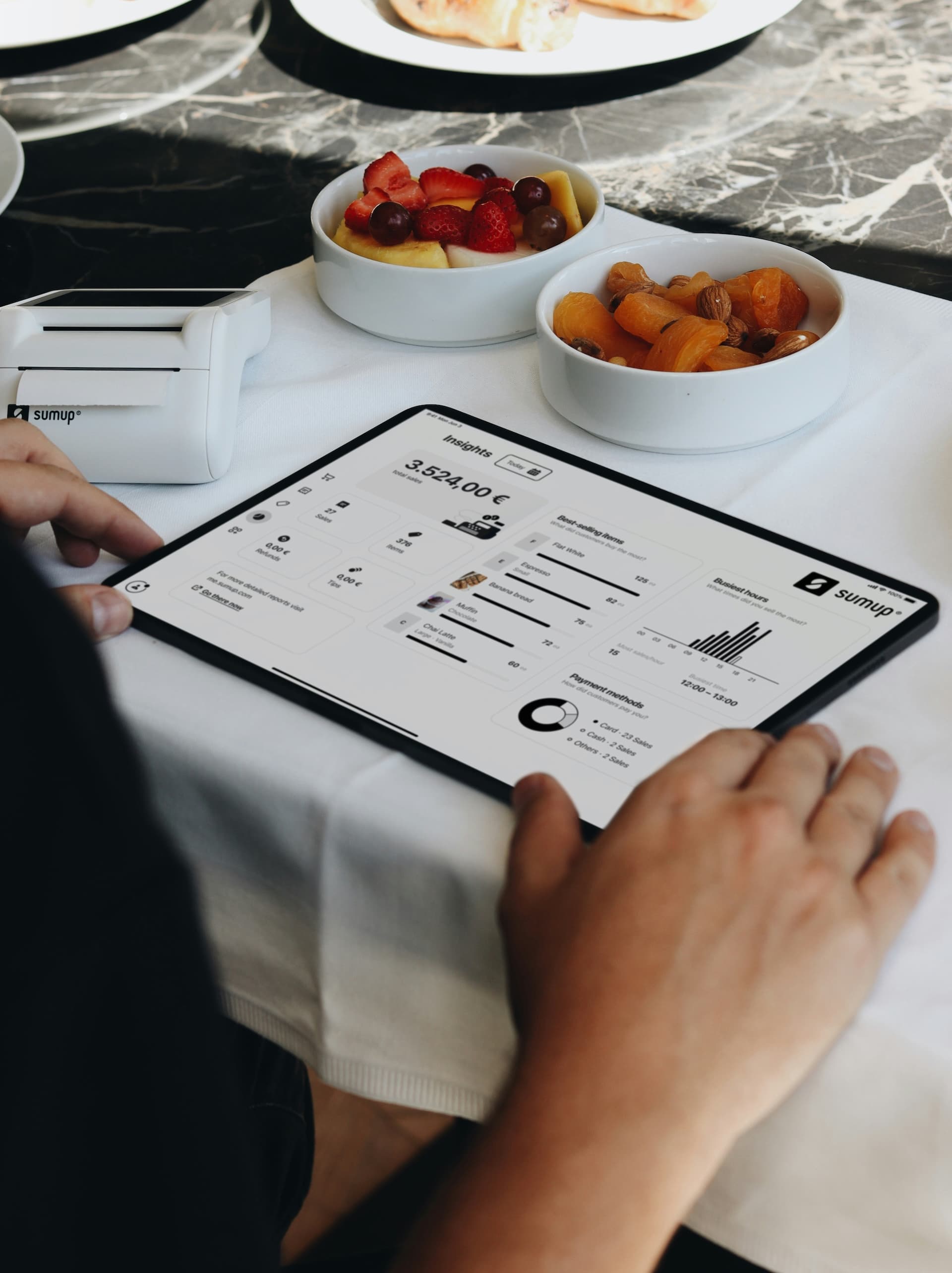
Forget about downloading five different CSV files to figure out your nightly sales. An integrated system gives you a single dashboard for all revenue streams. You can easily compare which platforms are performing best and calculate your true labor costs versus total sales.
The Ghost Kitchen Opportunity
Omnichannel integration is the backbone of the "Ghost Kitchen" or "Virtual Brand" model. Since you aren't tied to a physical storefront for these brands, you can run multiple concepts from a single kitchen.
Imagine a pizzeria that also sells wings under a different brand name on delivery apps. With an integrated POS:
- Orders for "Tony's Pizza" and "Wing King" arrive at the same KDS.
- Inventory is deducted from the same stock (e.g., chicken wings).
- Sales are tracked separately for each brand.
This allows restaurateurs to experiment with new concepts with zero overhead risk, maximizing kitchen utilization.
Data-Driven Inventory Management
One of the biggest hidden costs of non-integrated delivery is inventory drift. If you sell a burger on DoorDash but don't ring it into your POS immediately, your inventory count is wrong.
With direct integration, every ingredient used in an online order is instantly deducted from your inventory.
- Real-time Stock Levels: Know exactly how many buns you have left, regardless of where the orders are coming from.
- Auto-86ing: When stock hits zero, the system can automatically mark the item as unavailable across all platforms, preventing overselling.
- Waste Reduction: Accurate data helps you forecast prep needs better, reducing spoilage.
Measuring ROI: Is It Worth It?
Integration often comes with a monthly fee from middleware providers (like Otter, Chowly, or Deliverect) or your POS provider. Is it worth it?
Consider the labor cost. If a staff member spends 2 minutes entering an order, and you do 30 delivery orders a night, that's an hour of labor. Over a year, that's hundreds of hours—and thousands of dollars—spent on data entry. Add in the cost of refunded orders due to errors, and the ROI of integration usually becomes positive within the first month.
Conclusion
In a world where customers expect to order from anywhere, your restaurant needs to be everywhere—without losing its mind. Omnichannel POS integration is the bridge that connects the fragmented world of delivery apps into a cohesive, manageable, and profitable system. It frees your staff from being data entry clerks and lets them get back to being hospitality professionals.