
Streamlining Kitchen Operations with a KDS
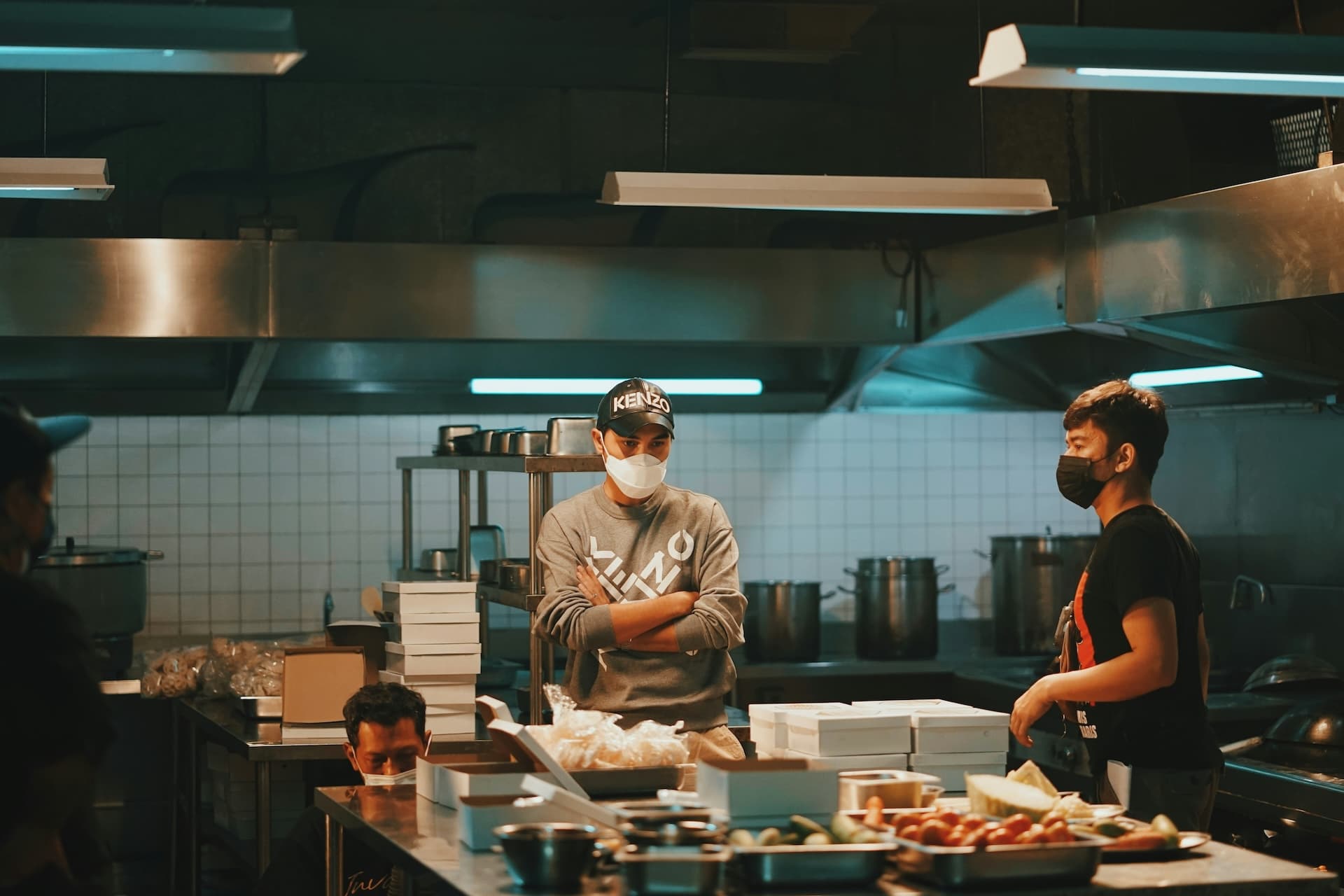
The clamor of a busy kitchen, the shouting of orders, and the flutter of paper tickets—it's the traditional image of a restaurant back-of-house. However, it's also a recipe for chaos. Lost tickets, illegible handwriting, and timing issues can derail service during a rush. This is where the Kitchen Display System (KDS) steps in, replacing the ticket rail with digital precision.
What is a KDS?
A Kitchen Display System is a digital screen (or multiple screens) installed in the kitchen that connects directly to your Point of Sale (POS) system. When an order is entered, it appears instantly on the KDS, categorized by station (e.g., grill, fry, salad) and prioritized by time.
The Benefits of Going Digital
1. Eliminating Communication Errors
Paper tickets get lost, dropped, or smeared with grease. Handwriting can be deciphered incorrectly. A KDS displays orders clearly and legibly every time. It allows for color-coding of modifiers (like "No Onions" in bright red) to ensure dietary restrictions and special requests are never missed.
Looking to Build Your Restaurant Management System?
EatlyPOS is a modern, responsive frontend template built with Next.js that provides a solid foundation for developing a complete restaurant management system. Visit our homepage to explore the interactive demo, check available licenses, and kickstart your development with a professional codebase.
2. Precise Course Timing
One of the biggest challenges in a kitchen is coordinating dishes so that a whole table is served simultaneously. A KDS helps manage this by routing items to specific stations with timing indicators. It can delay the display of a steak order to the grill station so that it finishes at the same time as the appetizer salad, ensuring fresh food and synchronized service.
3. Data and Accountability
You can't improve what you don't measure. Unlike paper tickets which end up in the trash, a KDS tracks everything. You can analyze average ticket times, identify bottlenecks in the line, and see which stations are slowing down service. This data is invaluable for training staff and optimizing kitchen workflows.
Environmental and Cost Impact
Moving to a KDS isn't just about efficiency; it's also about sustainability.
Thermal paper for printers is expensive and non-recyclable. By eliminating the need for kitchen printers and rolls of paper, you reduce recurring supply costs and your restaurant's environmental footprint. It's a win-win for your budget and the planet.
Is a KDS Right for You?
While traditionally seen in quick-service environments, KDS technology has evolved for full-service dining. If your restaurant struggles with long ticket times, frequent order errors, or high volumes during peak hours, a KDS is likely a worthy investment. It calms the chaos, allowing your chefs to focus on what they do best: cooking great food.